Pet-Proof Every Room: Checklist, Hazards & Weekly Routine
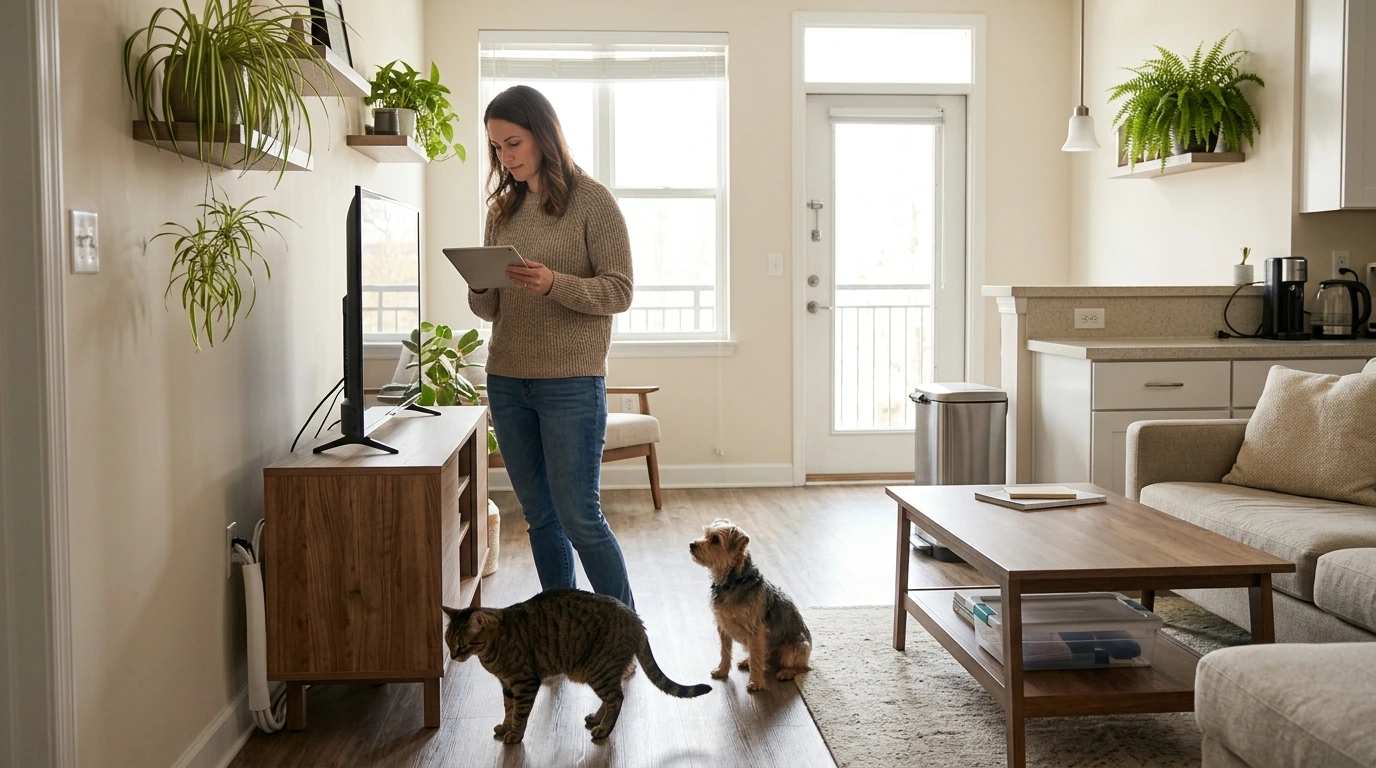
Everyday Pet Safety Kit: A Practical Bundle to Pet-Proof Every Room
A safer home for pets comes down to repeatable habits: spotting hazards, setting up simple barriers, and keeping an emergency plan ready. A room-by-room approach works because it matches real life—you’re not “perfecting” the whole house at once, you’re building a system that holds up on busy weekdays, during guests, and when routines change.
Below is a practical map for everyday pet-proofing, plus a simple way to stay consistent using a structured digital bundle: the Everyday Pet Safety Kit for a Fully Pet-Proof Home – 4-in-1 Bundle of Guides, eBook, and Checklist.
What “pet-proof” looks like in daily life
- Prevention first: remove access to common toxins, choking hazards, and fall risks before accidents happen.
- Design for predictable behavior: chewing, scratching, scavenging, jumping, and door-dashing are normal—set the home up so the safe choice is the easy choice.
- Build a system (not a one-time cleanup): quick daily resets + weekly checks + seasonal deep dives.
- Include humans in the plan: guests, kids, roommates, and pet sitters need simple rules that are easy to follow.
What’s inside the Everyday Pet Safety Kit bundle
Random tips are easy to forget under pressure. A structured kit turns safety into a routine you can repeat.
- Guides for common household risks (poisons, cords, small objects, breakables, doors/windows, and more).
- An eBook-style reference that keeps the “why” and the “how” together for fast decisions.
- A printable or digital checklist to standardize daily/weekly walkthroughs.
- A workflow you can keep using after the initial pet-proofing day, so your home doesn’t slowly “un-proof” itself.
Room-by-room hazard map (quick wins first)
Kitchen
Living room
- Manage cords (TV, lamps, chargers): bundle, cover, or route behind furniture.
- Choose stable decor placement: heavy items lower, breakables away from edges.
- Block access behind entertainment centers where swallowed items collect (coins, small plastic pieces, earplugs).
- If you’re updating furniture, favor stable, hard-to-tip pieces like the Modern Chic Cream Single Sofa Chair and keep throw items (remotes, small accessories) in a bin with a lid.
Bathroom and laundry
Bedroom and office
Entryway, garage, and balcony
Everyday hazards that cause the most preventable emergencies
- Ingestion risks: xylitol products, chocolate, grapes/raisins, alcohol, nicotine, cannabis edibles, and some supplements. (For xylitol specifics, see the FDA guidance on xylitol and pets.)
- Medication exposure: dropped pills, open pill organizers, handbags left on the floor.
- Chewing risks: electrical cords, strings/ribbons, socks and underwear, kids’ toys, batteries.
- Household chemicals: cleaning sprays, detergent pods, rodenticides/insecticides, garage fluids.
- Escape and injury: open windows, unsecured screens, stair access for small or senior pets, doors that don’t latch.
Fast checklist: common hazards and simple controls
| Hazard | Where it shows up | What to do today |
|---|---|---|
| Detergent pods | Laundry room, bathroom storage | Move to a latched cabinet or high shelf; close containers immediately |
| Human medications | Nightstands, purses, kitchen counters | Use a closed bin; pick up dropped pills immediately; keep bags off the floor |
| Cords and chargers | Living room, office, bedside | Bundle/cover cords; unplug when not used; block access behind furniture |
| Trash and food scraps | Kitchen, bathroom bins | Use a locking can; empty nightly; keep compost sealed |
| Strings, hair ties, ribbons | Bedrooms, craft areas, gift wrap | Store in closed containers; do a nightly “floor sweep” |
| Open windows/screens | Bedrooms, apartments, balconies | Check screens weekly; keep windows secured; use pet-safe barriers |
A weekly routine that keeps the home safe (without overhauling everything)
Emergency readiness: what to prepare before something happens
- Save emergency numbers: primary vet, nearest 24/7 emergency clinic, animal poison control hotline, and a trusted neighbor. The ASPCA Animal Poison Control page is a reliable reference to keep bookmarked.
- Create a “go bag”: leash/harness, carrier plan, vaccination records, current photos, and a small first-aid kit approved by a veterinarian.
- Know what not to do: avoid inducing vomiting or giving home remedies unless a veterinarian or poison expert instructs it.
- Practice the steps: how to get the pet into a carrier, how to leave quickly, and where records are stored.
For a broader overview of poison prevention practices, the AVMA poison prevention resource is a strong baseline reference.
Who benefits most from a structured safety bundle
Make it stick: set simple house rules everyone follows
Everyday Pet Safety Kit bundle details and where to get it
- Product: Everyday Pet Safety Kit for a Fully Pet-Proof Home – 4-in-1 Bundle of Guides, eBook, and Checklist
- Format: digital bundle designed for quick reference + repeatable walkthroughs
- Best use: complete an initial room-by-room setup, then maintain weekly with the checklist
FAQ
How long does it take to pet-proof a home using a checklist?
Plan on 60–120 minutes for an initial sweep, depending on home size and how much needs to be relocated or latched. After that, upkeep is typically a few minutes daily plus a 10–15 minute weekly walkthrough, and a room-by-room checklist helps prevent missed “small” items that cause big problems.
What are the most common pet hazards people overlook?
The most overlooked hazards are cords/chargers, dropped pills, detergent pods, strings/hair ties, open windows/screens, and unsecured trash. Each has a simple fix: cover/bundle cords, use a closed medication bin, latch chemicals, store strings in containers, check screens weekly, and switch to a locking trash can.
Should a pet first-aid kit replace calling a veterinarian?
No—first aid is for immediate stabilization while you contact a veterinarian or poison control for next steps. Avoid inducing vomiting or giving home remedies unless a professional explicitly instructs you to do so.
















Leave a comment