Freezer Meal Prep Bundle: Guides, eBooks & Checklists
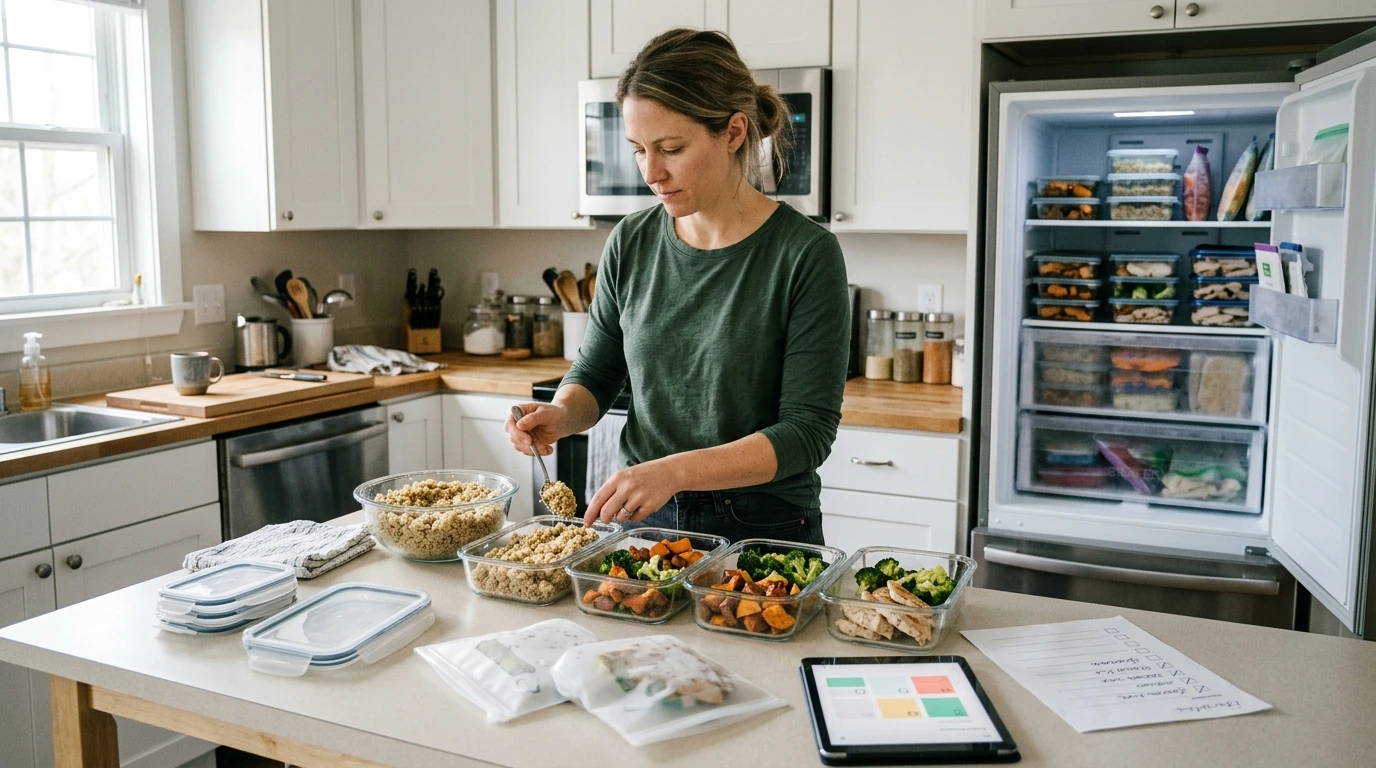
Busy weeks run smoother when dinner decisions are made ahead of time. A freezer-first routine helps cut daily prep, reduce food waste, and keep weeknights flexible—without relying on takeout. This bundle centers on a simple system: plan a small set of repeatable meals, prep in batches, freeze safely, and use checklists to keep everything labeled, rotated, and ready to reheat.
What’s inside the 3-in-1 bundle
The Freezer-Friendly Meals Bundle for Busy Weeks – 3-in-1 Guide, eBooks & Checklists is built to turn one focused prep session into multiple low-effort meals later. Instead of aiming for perfect meal plans, it uses a repeatable workflow that gets easier every week.
- A step-by-step meal prep guide that turns one planning session into multiple freezer-ready meals.
- eBooks that organize recipes and freezer methods into repeatable templates (cook once, eat multiple times).
- Printable checklists for shopping, prep day flow, labeling, and freezer inventory so nothing gets lost in the back.
- A structure designed for busy schedules: fewer decisions on weeknights, more control over ingredients and portions.
Who this system fits best
- Households juggling work, school, caregiving, or shift schedules that benefit from “heat-and-eat” backups.
- Anyone trying to spend less on last-minute meals by moving more cooking to one planned block of time.
- Meal preppers who prefer flexible building blocks (proteins, sauces, grains) instead of rigid day-by-day menus.
- Beginners who need a clear workflow for freezing, labeling, and using meals before quality declines.
If planning and prep usually happens on a screen (recipes, grocery apps, digital calendars), pairing a focused prep session with comfort habits helps, too. The Preventing and Relieving Screen-Induced Eye Strain – Practical eBook Guide is a useful add-on for anyone who meal-plans on a laptop or phone and wants a more comfortable routine.
A simple weekly routine that actually holds up
The goal is consistency, not complexity. A freezer routine works best when it’s small enough to repeat even when life gets messy.
- Pick 2–3 freezer-friendly mains plus 1 breakfast or snack item; repeat favorites to reduce planning fatigue.
- Shop once with a categorized list: proteins, produce, pantry, and freezer supplies (bags, containers, labels).
- Batch prep in phases: (1) chop and portion, (2) cook bases/sauces, (3) assemble freezer packs, (4) cool, label, freeze.
- Keep one “fast lane” meal available (15–20 minute reheat) for the nights that derail the plan.
- Update a freezer inventory list every time something goes in or out to prevent duplicates and forgotten portions.
Freezer safety and quality basics (quick rules to follow)
Freezing is safe when done correctly, but texture and flavor can fade over time. For official storage and handling guidance, refer to USDA FSIS: Freezing and Food Safety and the FDA Refrigerator & Freezer Storage Chart.
- Cool cooked food promptly before freezing; divide into smaller portions to chill faster and freeze evenly.
- Label every item with name, date, and reheating notes; rotate using “first in, first out.”
- Freeze in flat, stackable shapes when possible to save space and speed thawing.
- Prevent freezer burn by removing excess air, using freezer-grade bags/containers, and keeping temperatures steady.
- Use safe thawing methods: refrigerator thawing, cold-water thawing (sealed), or direct cook/reheat when appropriate.
Freezer guide at a glance
| Meal type | Best packaging | Typical freezer window (quality) | Reheat notes |
|---|---|---|---|
| Soups & stews | Freezer container or bag (flat-frozen) | 2–3 months | Thaw in fridge; reheat to bubbling hot; stir often |
| Casseroles & bakes | Foil pan or glass dish with tight wrap | 2–3 months | Bake from thawed for best texture; cover then uncover to crisp |
| Cooked proteins (chicken, beef, beans) | Portioned containers or bags | 2–4 months | Thaw then add to quick meals; avoid overcooking on reheat |
| Breakfast burritos/sandwiches | Individually wrapped, then bagged | 1–2 months | Microwave/oven; add a damp towel to reduce dryness |
| Sauces (marinara, curry, chili base) | Bags (flat) or jars with headspace | 3–4 months | Reheat gently; thin with broth/water if needed |
Prep-day workflow: make it faster with assembly lines
Prep day gets dramatically easier when the kitchen is organized like a small assembly line. This is also where checklists shine—less mental load, fewer missed steps.
Storage and labeling that prevents wasted food
Making the bundle work for different diets and households
What a “busy week” freezer menu can look like
For extra structure (especially if you batch content, too), the TikTok Sprint Blueprint: Your 7-Step Weekly Content Checklist can complement a “weekly reset” mindset—one planning block that makes the next several days easier.
When the bundle pays off most
FAQ
How long do freezer meals stay good?
Food stays safe frozen at 0°F, but quality gradually declines, so labels and rotation matter. As a practical guide, aim for 2–3 months for soups/casseroles, 2–4 months for cooked proteins, and 1–2 months for breakfast items for best texture and flavor.
What meals freeze best for weeknights?
High-success options include soups, stews, chili, saucy shredded meats, curries, casseroles, burritos, and cooked grains. Cream-based sauces and high-water vegetables can change texture after freezing, so freeze sauces “base-style” when possible and add delicate ingredients after reheating.
What’s the safest way to thaw freezer meals?
Refrigerator thawing is the safest default because it keeps food at a stable, cold temperature. For faster thawing, use cold water with sealed bags and change the water as it warms; many items can also be reheated from frozen if packaged in thin, even layers and heated until steaming hot throughout.














Leave a comment